Collection of work done at Slalom Consulting in D.C.
Welcome to the Slalom chapter of my design story, detailing my time at the small consulting firm that happens to have one of the greatest developed product methodologies I have ever seen. Slalom, particularly Slalom_build team members are no bullsh*t kind of people. Unlike many consulting firms, they try to tackle the hard problems completely and ethically. Yes, I am a fan.
.having recently won a large contract with USCIS, Slalom wanted to develop a strong federal practice focused on the civilian side of the public sector. I was brought on to not only help explore and attract new business opportunities, but to help build a strong federal experience design (XD) practice. I helped write & design RFP responses, produced marketing material to potential clients, conducted Slalom introductory sessions (“Summits”) to host potential clients, and co-led code challenges. This was also my first opportunity of being both a design manager and leader—helping set the vision for Slalom Federal and being a servant leader to the designers on my team. Unlike many design leaders that I have met, many of the Slalom XD Practice Leads were willing to be hands on; I loved this and I wanted my team to expect that from me! I firmly believe that no designer, regardless of age, experience, and/or rank, is above putting actual pen to paper.
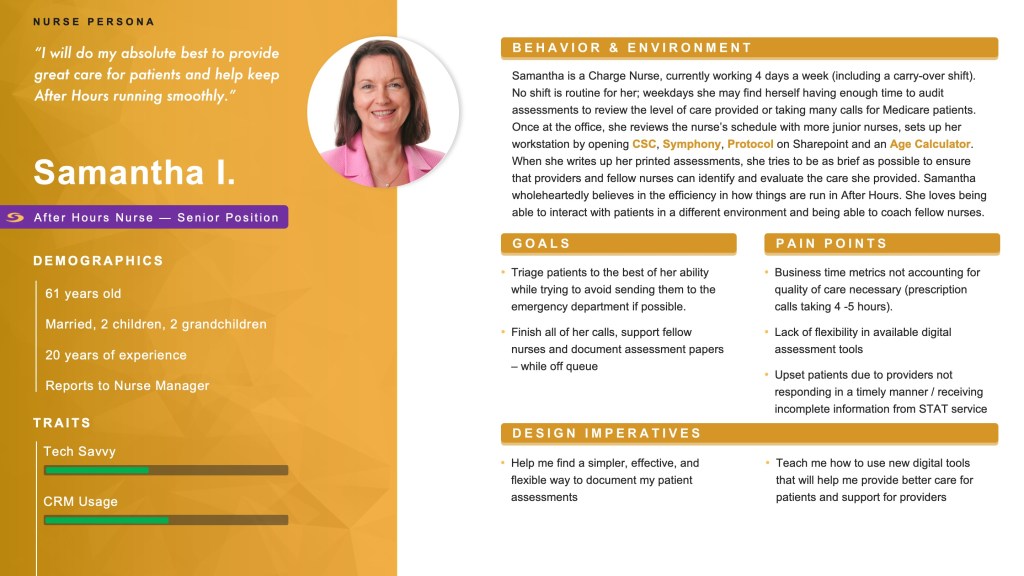
Sentara healthcare digital transformation (discovery)
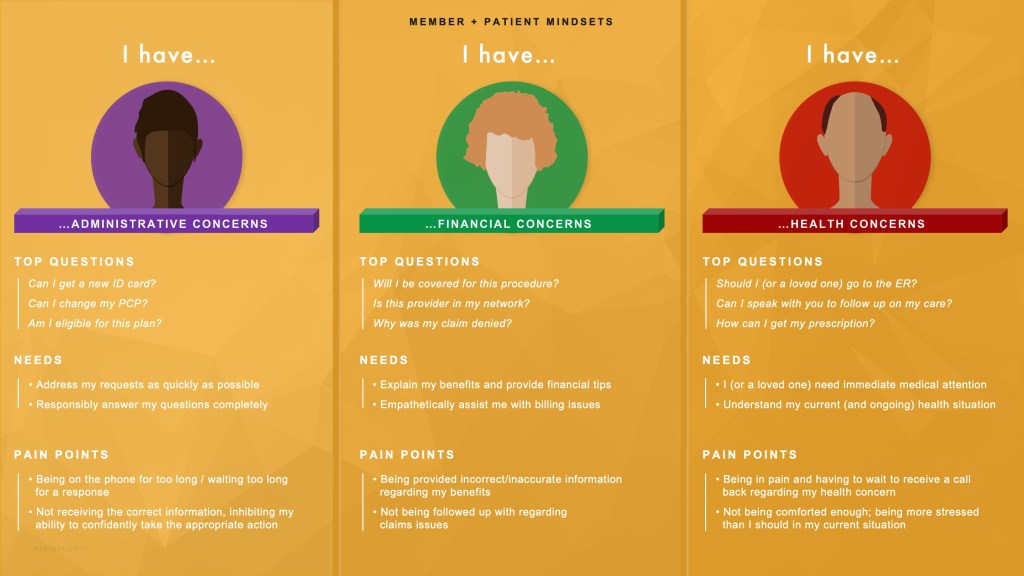
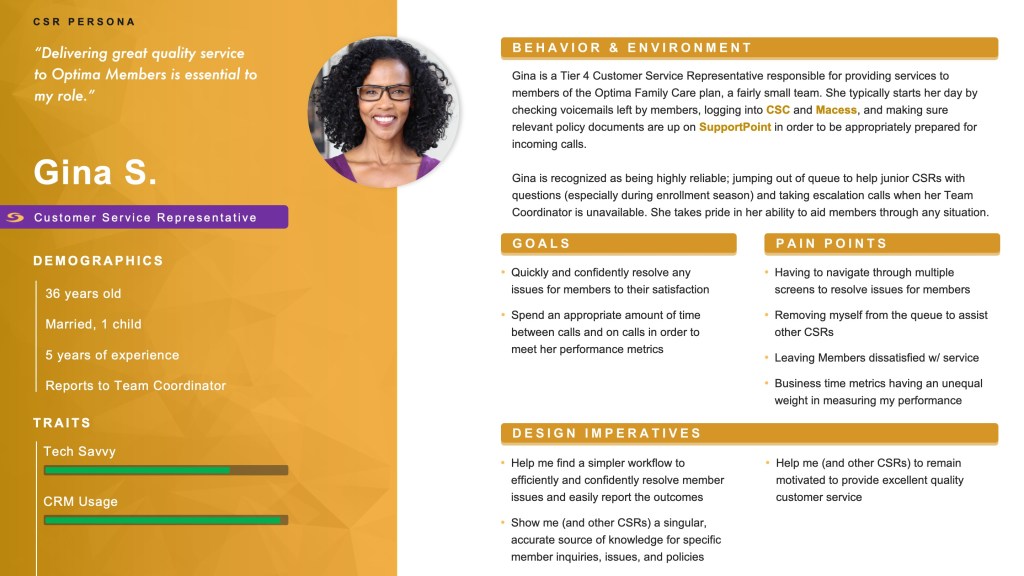
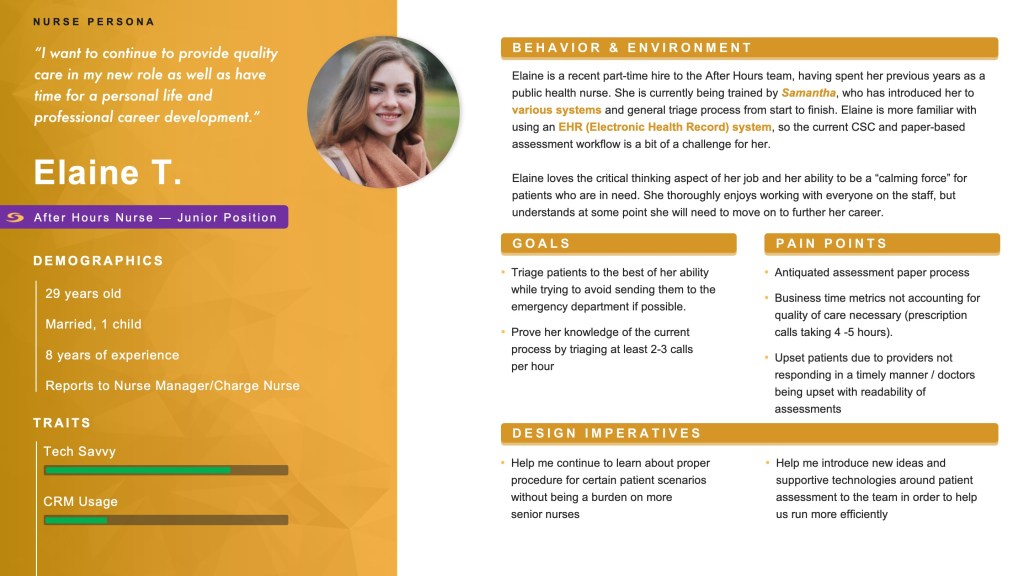
Sentara, a not-for-profit healthcare organization that serves Virginia and northeastern North Carolina, was exploring how it might utilize digital technology to support necessary operational changes. I was brought on to help the Slalom commercial team scope the initial discovery and develop a research plan. After an initial conversation with Sentara stakeholders, we understood that their CRM was outdated (still DOS based…holy sh*t) and was preventing their customer service representatives, marketing team, provider representatives, and nurse triage group from having a comprehensive view of the customer/member/patient experience. Sentara needed to build, what they described as, the “Call Center of the Future”.




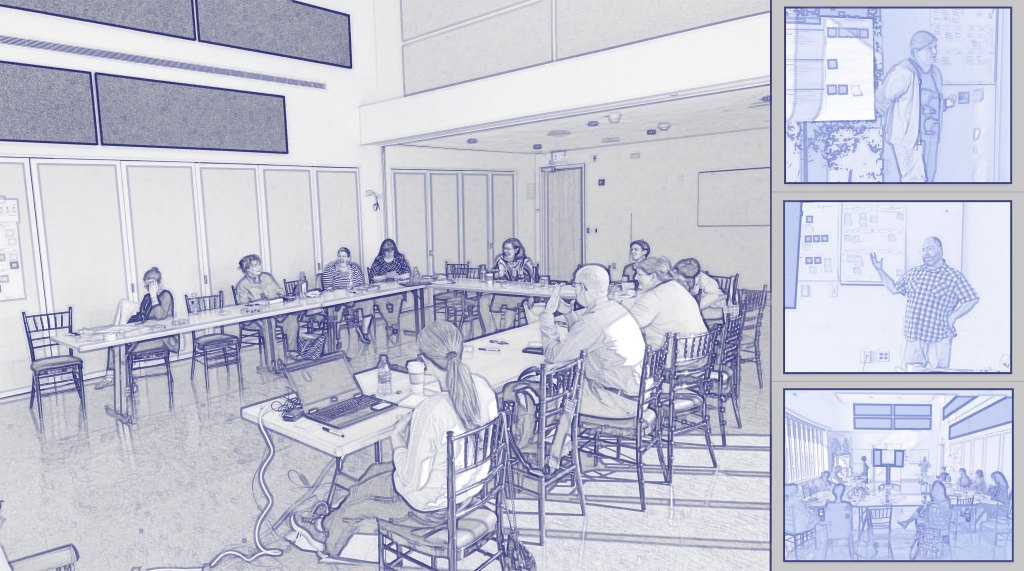
National museum of the american indian digital transformation (discovery)
The National Museum of the American Indian NMAI was founded thirty years ago around a commitment to change how and what Americans learn about Native American history and culture. Unfortunately, over the last few years, the museum has lost its way in terms of keeping the audience engaged—while sister museums (e.g. National Museum of African American History & Culture) have flourished.



Verfuture modernization
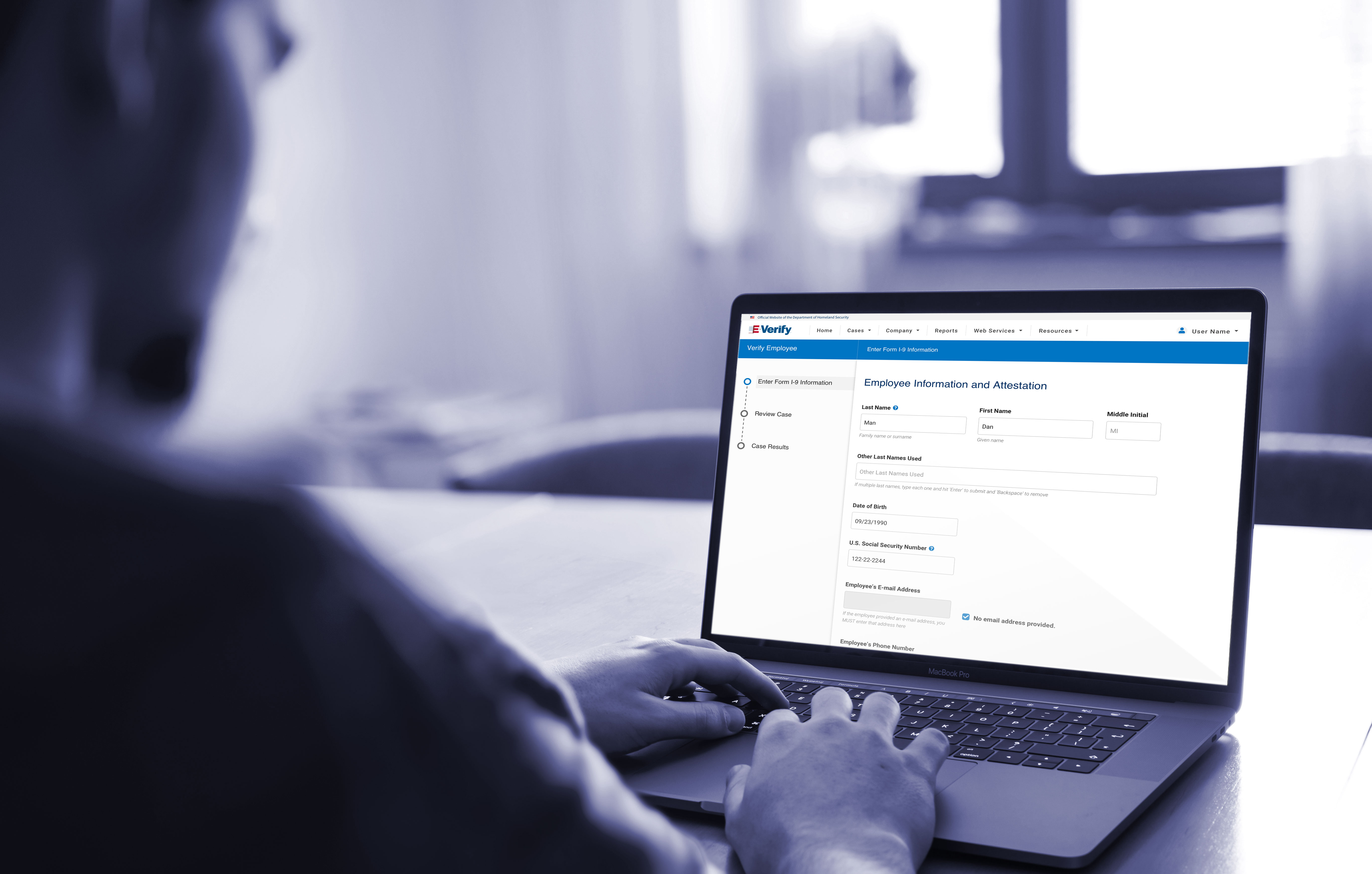
Verfuture refers to three platforms managed by USCIS (SAFE, EVE, and E-Verify) that provide verification services to citizens and non-citizens, businesses, and both state and federal agencies.
Working with a full development team, we collaborated with E-Verify’s ITPMs on defining, refining, and prioritizing the product backlog. One thing _build methodology did not include (which I would include in the updated methodology) was using a dual track agile approach to keep design one week (to 1.5 weeks) ahead of development. This gave the design team the opportunity to help refine the backlog and distinguish between future opportunities, what needed to be developed, and trash. From a design system perspective, this project was awesome—utilizing Abstract to collaborate with designers across platforms on pattern libraries and using Storybook with our developers to establish design tokens and share/build React components…this was just so cool.


